GPT-6.1 Sol shipped on Sep 29, 2026, one week after GPT-6 Sol. Prices are unchanged, cached-input cost is halved, one reasoning tier is gone, and almost everything else is identical. The upgrade itself is not worth acting on. The weekly release rhythm behind it is.
OpenAI opened the Agents API in public beta on September 10, 2026, putting the Codex harness behind one API call. Here is how it actually works, where the four walls are - models, residency, retention, billing - and who should look at a neutral runtime instead.
An ownership-first comparison of OpenAI Agents API alternatives: harness control, model neutrality, residency, retention, and cost. Where Claude Managed Agents, TrueForge, and LangGraph Platform fit, and where a neutral managed runtime wins.
Sharing your OpenAI API key with employees feels like the fastest rollout path. It is also how keys leak, quotas vanish, and offboarding becomes impossible. Here is what a company control plane does instead.
Should every employee bring their own API key, or should the company pool managed credits? A billing-model comparison for SMB teams: cost shape, control, visibility, and who owns the risk.
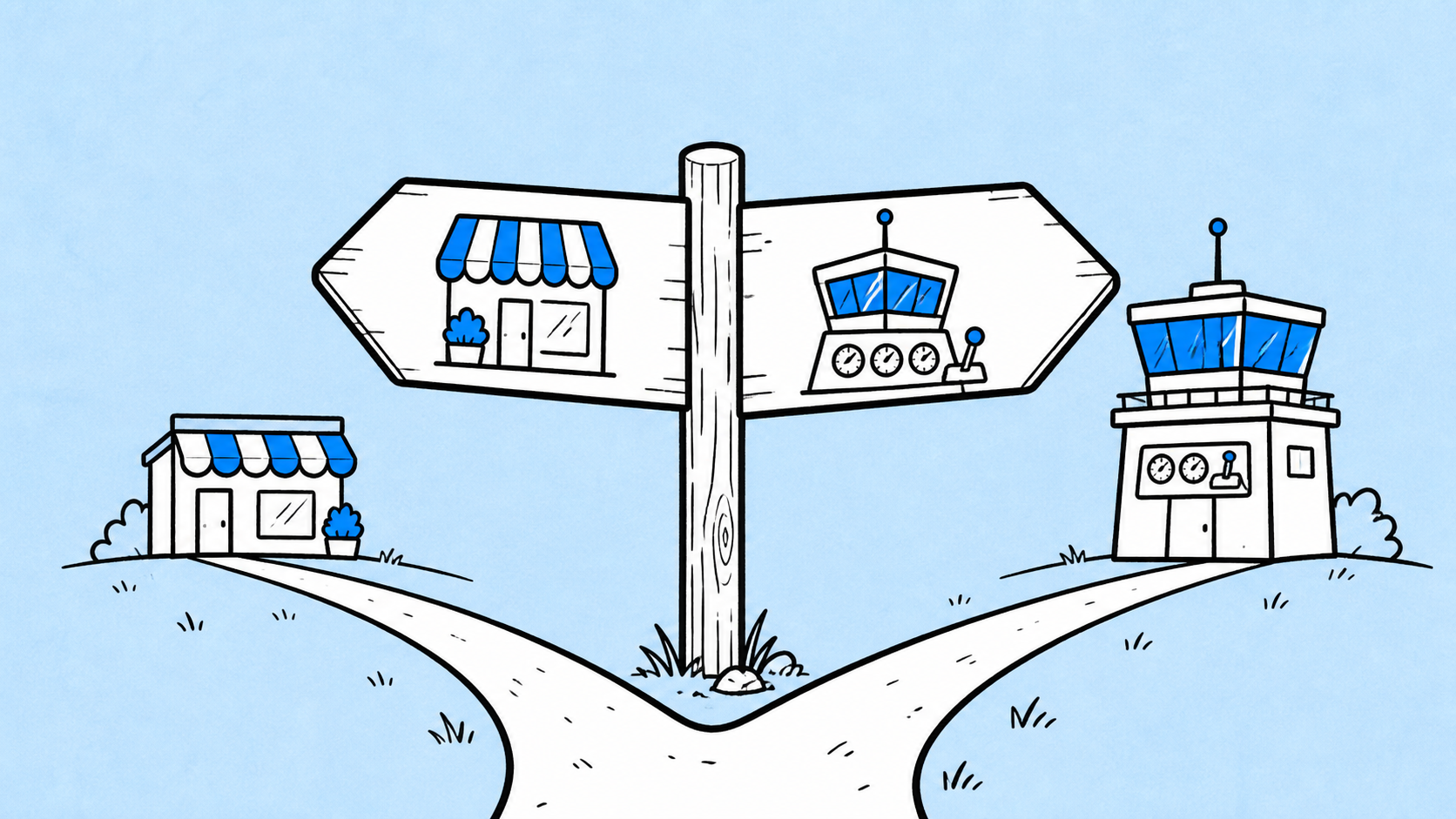
ChatGPT Business is OpenAI's shared team workspace. Wodex is a company-side control layer: gateway, hidden keys, quota, audit. An honest comparison for SMB owners deciding who should hold the keys.
ChatGPT's macOS Computer History lets the assistant reference what employees do in apps and on websites. A governance-first look at what it records, when it helps, and the policies to set before enabling it.